
Recover sales before queues grow
Alert the floor team when queue length or estimated wait crosses the service target.
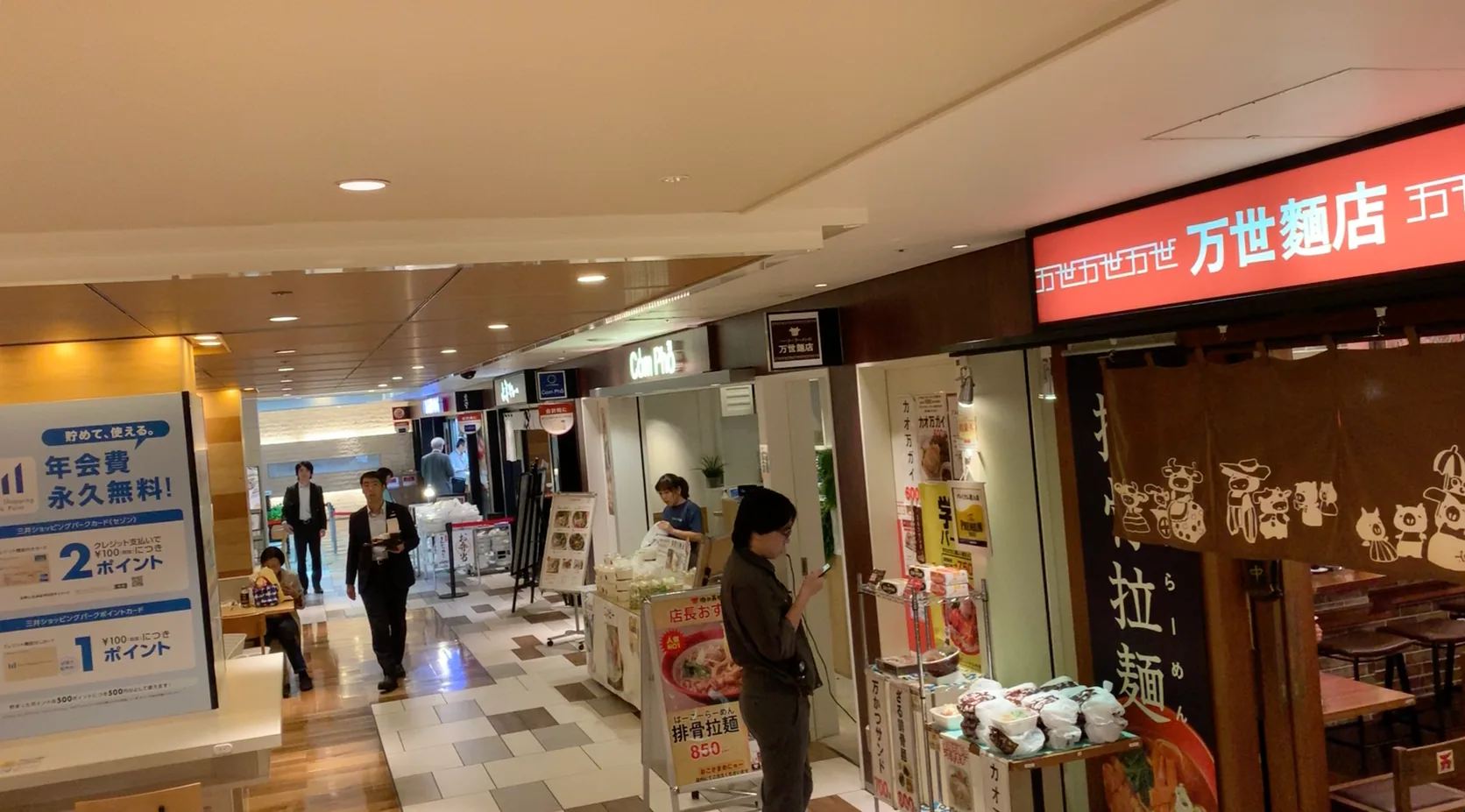
Connect entrance traffic with queues, dwell and POS performance — across one store or an entire estate.
Alert the floor team when queue length or estimated wait crosses the service target.
Use hourly and day-of-week flow patterns to plan coverage and breaks.
Join footfall and POS data to compare stores, campaigns and trading periods.
Ayonix runs on the cameras already installed — standard RTSP and ONVIF streams — at the edge or on premises. It follows bodies across the lines and zones you configure; it does not identify shoppers.
Directional counts at every door, in and out separately, so footfall means people arriving rather than people passing. Wide or double doors take more than one counting line.
Queue length and estimated wait per service point, with thresholds that alert the floor team while there is still time to open a lane.
Occupancy and dwell by store zone, to compare displays, promotions and layout changes before and after the change.
Movement between floors and tenants in multi-tenant buildings and shopping centres — the scenes Ayonix was built in.
One entrance, two weeks, agreed ground truth and a written scale recommendation.
Yes. Counts and events leave through the API, webhooks or CSV exports, so footfall can be joined with POS transactions to compare conversion by store, campaign, trading period and entrance — without identifying shoppers.
No. Core counting uses body movement across configured lines and zones; identity matching is not required, and counting does not switch it on. Video can stay on site, with only approved counts and events leaving it.
One entrance for two weeks: a scene and camera review, site calibration, manual ground truth agreed in advance, and an acceptance report with a written recommendation on scaling. The ±3% figure is the directional target that test is written against, at calibrated entrances up to 60 people per minute — not a result measured at your store before the test has run.
Software starts at $75 per camera per month and covers directional counting, occupancy and alerts, and the dashboard and exports. Camera fit and configuration are confirmed before the pilot.
Yes. Every store reports through the same layer, so hourly traffic, peak windows and conversion can be compared site by site. The pilot's written recommendation sets out what a rollout needs.