
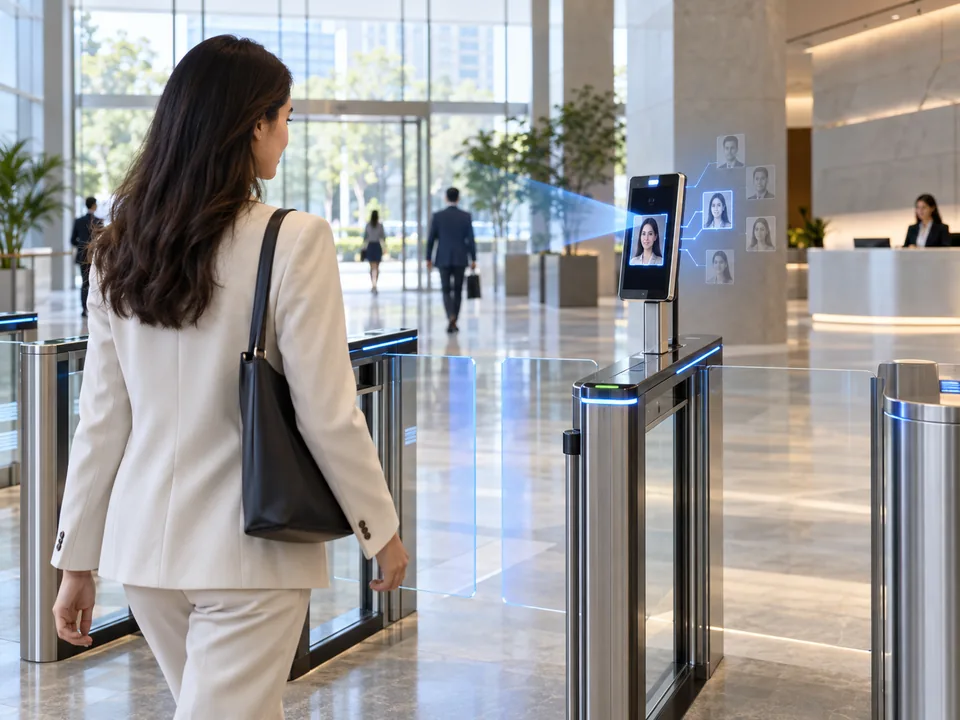
Access Control
Identify registered people and connect the result to doors, gates, attendance and visitor systems.
People intelligence for a safer tomorrow
Secure access. Faster passenger processing. Real-time awareness—built around your cameras, workflows and environment.
Solutions
The same core face recognition engine.Built for the real world.
Identify registered people and connect the result to doors, gates, attendance and visitor systems.
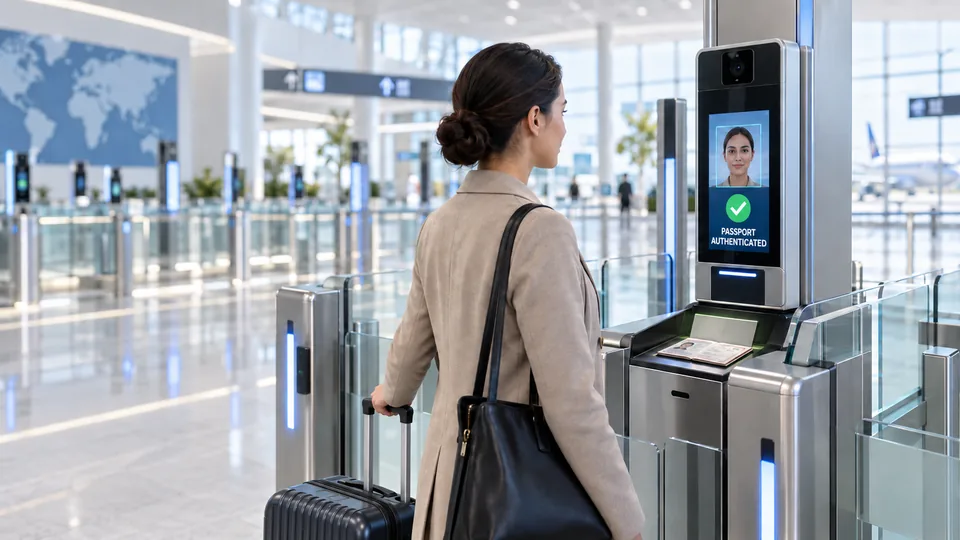
Match a live face to a passport, ID document or enrolled identity.
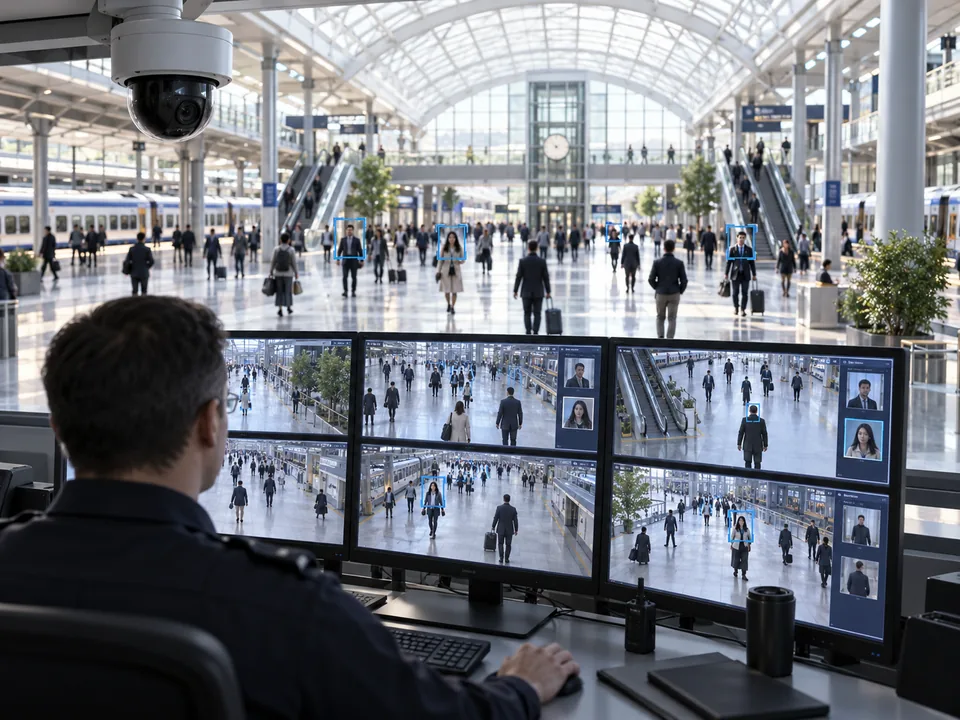
Detect, track and match faces across authorized camera environments.
How it works
Turn everyday video into trusted identity intelligence.Designed for your environment, your workflows, your goals.
Cameras capture faces in real time.
Faces are detected and analyzed.
Compared against your enrolled identities and watchlists.
Send the right information to your systems and people in real time.

Turningcameras intogreater possibilities.
Capabilities
A complete set of face recognition technologies,ready for your most demanding use cases.
Deployment
Flexible deployment and easy integrationwith your existing infrastructure.
Run at the edge for low latency.
Keep data in your environment.
Scale with your operation.
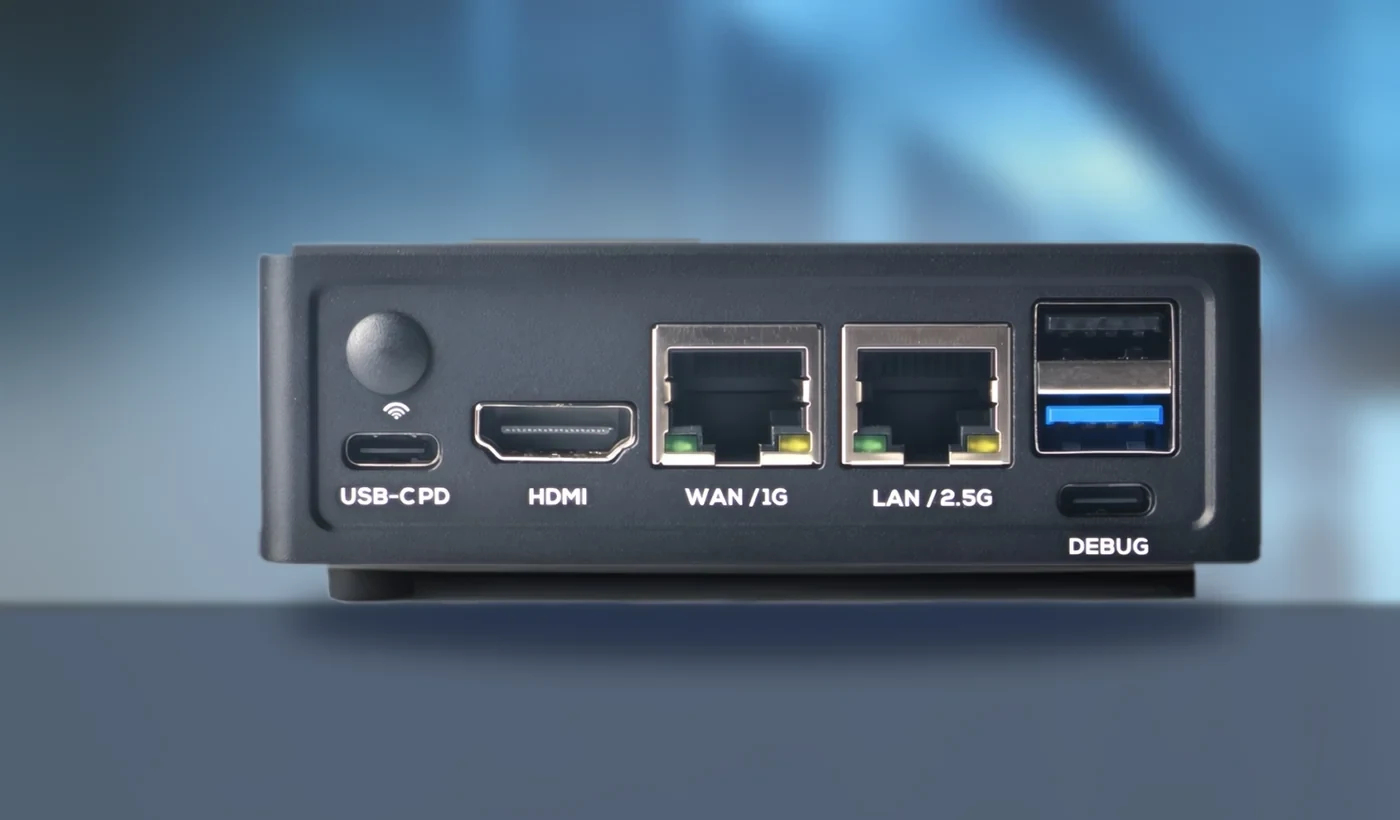
AI at the edge. Real-world ready.
Trust
Measured on data we did not choose,then proven on your own cameras before you commit.
Ayonix has participated in NIST Face Recognition Vendor Test evaluations since 2013, and has submitted to both the 1:1 verification and 1:N identification tracks. NIST publishes comparative evaluation information and does not endorse individual vendors.
Review the evidenceContinuing to supporta more open and trusted future.
Questions
1:1 verification compares a live face with one claimed identity — a passport photo, an ID document or an enrolled record — and answers whether they match. 1:N identification compares a face with an enrolled gallery and returns the possible identities. Access control and watchlists are 1:N workflows; e-gates and document checks are 1:1.
Many projects can use existing camera infrastructure, but usable results depend on resolution, angle, lighting, compression, motion and face size. A representative video assessment should happen before commitment.
Yes. The same engine runs at the edge on ATLAS AIBOX hardware, on servers in your own controlled environment, or in a cloud environment you have approved. The choice is driven by your latency, security and data-governance requirements, and a solution design maps the workflow to the model that fits.
Evaluate the intended camera, population, threshold and operating conditions together. A controlled pilot should measure false matches, missed matches, throughput and operator handling — not rely on one headline percentage.
Define a lawful purpose, limit data collection and retention, control access, log operator actions and keep human review for consequential decisions. Exact controls must be aligned with applicable laws and organizational policy.
Let’s build together
Tell us about your cameras, gallery size, latency and integration requirements.
Ayonix provides enterprise face recognition software for 1:N face identification and 1:1 identity verification. It runs on-premise, at the edge or air-gapped, integrates with major VMS platforms, and supports public-safety and watchlist deployments for government, transport, financial and enterprise security. Ayonix is a Japanese company that has built face recognition since 2007.